How Much Strength Training Do You Actually Need? Less Than You Think
Most people I speak to think they have to train five days a week, or it's not worth bothering. New research from Harvard says that's the wrong way round. Here is what it found, and what I'd do with it.

In this article
Most people I speak to think they have to train five days a week, or it’s not worth bothering. They feel guilty about the sessions they miss, and then they give up altogether.
New research from Harvard says that’s the wrong way round. Here is what it found, and what I’d do with it.
What the research found
Harvard researchers followed nearly 150,000 adults for up to 30 years. They looked at how much strength training people did and how long they lived.
The people who did about 90 to 120 minutes of strength training a week had a lower risk of dying early, a lower risk of heart disease and a lower risk of dementia than people who did none. And once people went past about two hours a week, the benefit stopped growing.
It’s only an observational study, so it can show a link, and it can’t prove that lifting caused it. But it fits what I’ve seen in 18 years of training people. You don’t need more. You need to do it regularly.
Why this matters more after 40
From your 30s onwards you slowly lose muscle if you don’t train it. It happens quietly. Stairs feel harder. Getting up off the floor takes a bit more effort. Carrying the shopping, lifting a suitcase or playing with the kids starts to feel like work.
Strength training is how you stop that. It keeps your joints strong, helps your balance and your blood sugar, and keeps you independent as you get older. That’s the real prize, and it’s why I’m not surprised the people who train live better for longer.
What two hours actually looks like
It’s less than you think.
- Two sessions of 45 to 60 minutes, or
- Three sessions of 40 minutes
That’s about the same as the time most people spend scrolling in the evening. If you’re starting from nothing, two sessions is a great place to begin. Build up when it feels easy.
What to do in a session
Keep it simple. You don’t need fancy exercises. Cover these:
- A squat or leg press for your legs
- A hinge, like a Romanian deadlift or hip thrust, for your glutes and hamstrings
- A push, like a press-up or dumbbell press
- A pull, like a row or lat pulldown
- A carry, like a farmer’s walk with heavy dumbbells
Do 2 to 3 sets of each. Pick a weight you could lift cleanly for a few more reps, and add a little weight or a rep each week. That’s the whole programme.
Control the weight
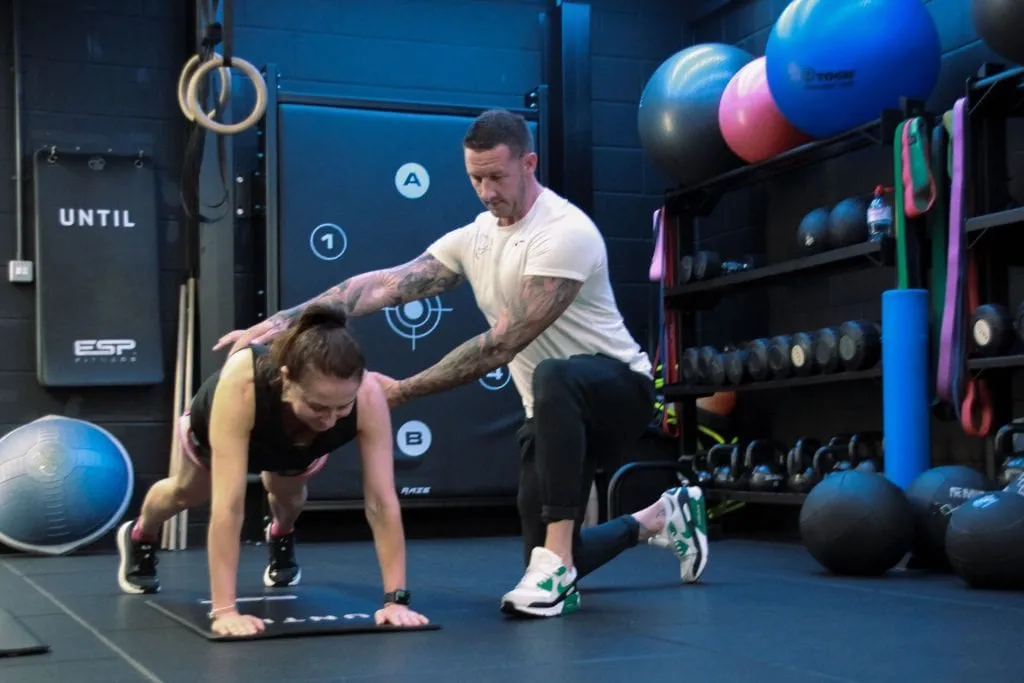
This is where many people go wrong. They load the bar to impress the room and swing it up. Lift slowly, take about three seconds to lower the weight, and keep your form. You’ll get more from lighter weights lifted well than from heavy weights lifted badly, and you’ll still be training next year.
Add walking and cardio
The same research found that people who did strength training and cardio together had a much lower risk of dying early than people who did neither. It isn’t strength or cardio. It’s both.
For most of my clients that’s lifting two or three times a week and walking on the other days. Nothing fancy. A brisk 30 minutes does a lot.
Three common mistakes
- Training too heavy, too fast. More weight isn’t always better. Control comes first.
- Skipping legs. Your legs and glutes are your biggest muscles and they matter most as you age.
- Doing the same session for months. If it never gets harder, your body has no reason to change. Add a little each week.
Don’t forget protein
Muscle needs fuel. If you’re training but not eating enough protein, you’re making it harder to build and keep it. My post on protein after 40 shows you how much to aim for and how to fit it in.
Working with NMG Fitness on Strength Training
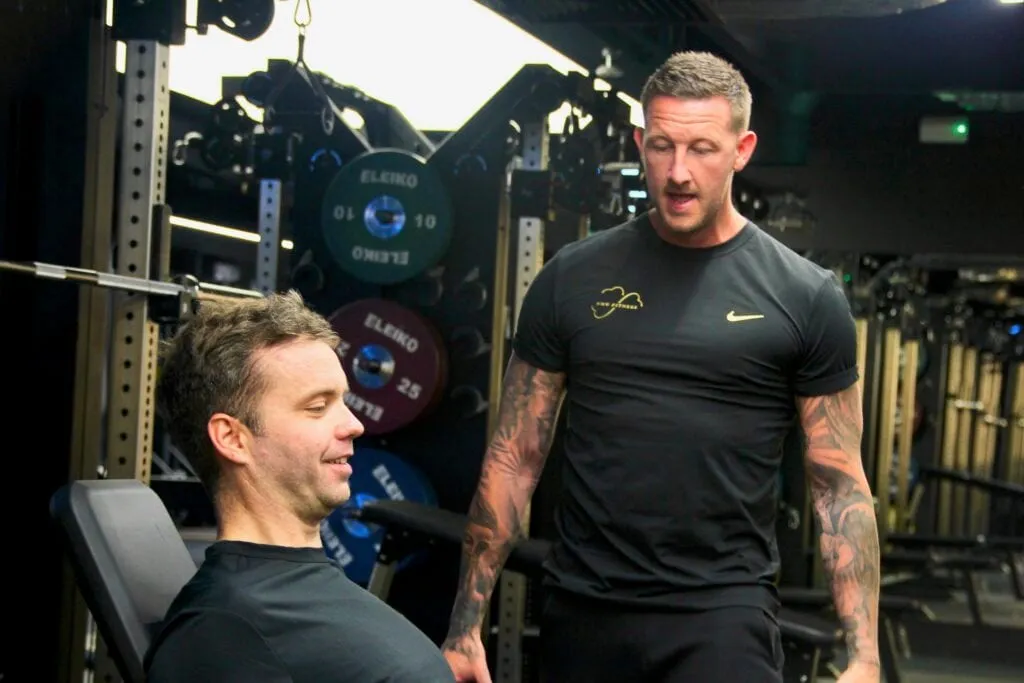
I help people over 40 build strength safely, with coaching at UNTIL in Soho and Marylebone, or online. You get a plan built around your body, your schedule and any injuries, with someone who makes sure you’re doing it properly.
If you want to start but don’t know where to begin, book a free session and we’ll work out the right plan together.
This article is general information, not medical advice. Speak to your GP before starting a new exercise programme if you have a health condition.