How Much Protein Do You Need After 40?
Protein is the most important nutritional consideration for men and women over 40 — and most people are not eating nearly enough of it. Here is everything you need to know.
In this article
Protein is the most important nutritional consideration for men and women over 40 — and most people are not eating nearly enough of it. After 18 years of working with clients in their 40s, 50s and 60s, increasing protein intake is the single most common and most impactful nutritional change I make with every new client. Here is everything you need to know.
Why Protein Matters More After 40
After 40, your body undergoes a process called anabolic resistance — it becomes less efficient at using dietary protein to build and maintain muscle tissue. This means that even if you are eating the same amount of protein as you did in your 30s, your body is getting less out of it. The result is accelerated muscle loss, a slower metabolism, and a harder time changing your body composition.
At the same time, the natural decline in testosterone, oestrogen and growth hormone that begins in your 40s further reduces your body’s ability to maintain muscle. Adequate protein intake is the most effective dietary tool available to counteract these changes.
How Much Protein Do You Actually Need After 40?
The research is clear on this. Men and women over 40 should aim for 1.6 to 2 grams of protein per kilogram of bodyweight per day. For a person weighing 75 kilograms, that is between 120 and 150 grams of protein daily. For someone weighing 90 kilograms, that is between 144 and 180 grams.
This is significantly more than the general recommended daily allowance, which is set at a level that prevents deficiency rather than one that optimises body composition and health.
The Best Protein Sources for Over 40s
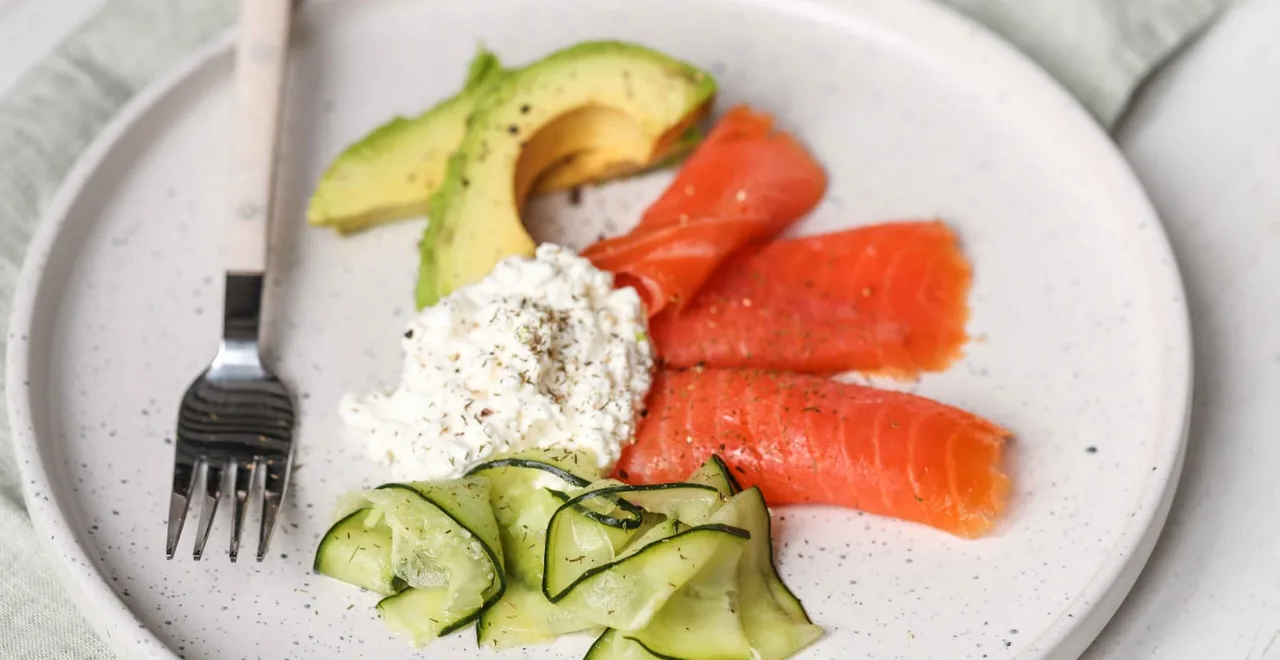
The best protein sources are those that are high in essential amino acids — particularly leucine, which is the primary trigger for muscle protein synthesis. The best options include chicken breast, turkey, lean beef, salmon and other oily fish, eggs, Greek yoghurt, cottage cheese, and whey or plant-based protein powder where needed to hit daily targets.
Aim to spread your protein intake evenly across three to four meals per day rather than consuming the majority in one sitting. Research suggests that spreading protein across meals maximises muscle protein synthesis compared to eating the same total amount in fewer, larger servings.
How to Hit Your Protein Target Every Day
The simplest approach is to build every meal around a protein source. Breakfast — eggs, Greek yoghurt or a protein shake. Lunch — chicken, tuna or a protein-rich salad. Dinner — salmon, lean beef or turkey. Snacks — cottage cheese, a handful of nuts, or a small protein shake if needed. This approach consistently delivers the daily protein target without calorie counting or complex meal planning.
What About Protein Supplements?
Protein supplements such as whey protein shakes are a convenient and effective way to top up daily protein intake. They are not essential if you are hitting your target through whole food sources — but for busy professionals who struggle to eat enough protein at breakfast or on the go, a daily shake is a simple and effective solution. Choose a product with 20 to 30 grams of protein per serving and minimal added ingredients.
Working with NMG Fitness on Your Nutrition
At NMG Fitness I provide practical, sustainable nutrition guidance as part of every training programme. No extreme diets, no calorie counting obsession — just the evidence-based principles that actually make a difference after 40. Training at UNTIL Soho, Marylebone, Liverpool Street and Canary Wharf in London, and online worldwide. The first session is completely free.