Intermittent Fasting After 40: Does It Actually Work?
"Should I be fasting?" is a question I get almost every week now. Clients have seen it on Instagram, a friend swears by it, or they've read that it's the secret to losing weight after 40. Here's what I tell them, and what the research actually says.

In this article
“Should I be fasting?” is a question I get almost every week now. Clients tell me they’ve seen it on Instagram, a friend swears by it, or they’ve read that it’s the secret to losing weight after 40. So here’s what I tell them, and what the research actually says.
What intermittent fasting actually is
Intermittent fasting means eating within set times and going without food for the rest. It’s a pattern of when you eat, not what you eat. These are the most common ways of doing it:
- 14:10. Eat in a 10-hour window and fast for 14 hours. Easy for most people to start with.
- 16:8. Eat in an 8-hour window and fast for 16 hours. For many people that means skipping breakfast.
- 5:2. Eat normally five days a week and cut calories hard on two days.
- Alternate-day fasting. Eat very little every other day.
- One meal a day. Exactly what it sounds like. I wouldn’t recommend this one after 40.
You already fast every night
Here’s something most people don’t think about. If you finish dinner at 8pm and eat breakfast at 8am, you’ve fasted for 12 hours. The word “breakfast” literally means breaking the fast. So intermittent fasting isn’t a strange new idea. It’s usually just making that overnight gap a bit longer.
What happens in your body when you fast
After you eat, your body spends the next few hours digesting and absorbing the food, and your insulin levels rise to move the energy into your cells. Once that settles, insulin drops and your body starts using the energy it has stored. It uses stored carbohydrate (glycogen) first, then more fat as the hours go on.
That’s the idea behind fasting. A longer gap between meals means more time in that “using stored energy” state. It sounds like it should burn more fat, but what really counts is the whole picture. If you eat more at your meals to make up for the hours you skipped, the benefit disappears.
What the research says
Most reviews of the research find that intermittent fasting leads to similar weight loss to cutting calories in the usual way. That doesn’t mean fasting doesn’t work. It means the fasting itself isn’t doing anything special. What matters is whether you end up eating less than you burn, and whether you can keep doing it.
Hunger is partly a habit
This is the most interesting part for me. Your body learns your meal times. Ghrelin, one of the hormones that makes you feel hungry, tends to rise around the times you normally eat. That’s why you can feel starving at 1pm every day, even when you ate well that morning.
The good news is that this adapts. If you move your meals, the hunger pangs usually shift with them, often within a week or two. So the first few days of fasting are often the hardest, and they tend to ease. It’s worth knowing before you give up on day three.
What about the other claims?
You’ll hear fasting improves blood sugar, blood pressure and even “cleans out” damaged cells (a process called autophagy). Some early studies on blood sugar are promising, but the results are mixed, and most of the autophagy evidence comes from animals and cells in the lab, not people. It’s interesting, but it isn’t proven.
Where it can help
For some people, fasting makes life simpler. No breakfast decisions, fewer snacks and a clear start and stop to the day. If you’re not hungry in the morning anyway, or you prefer fewer, bigger meals, it can be a useful tool.
Where it can go wrong after 40
The things that matter most after 40 are keeping your muscle, sleeping well and having the energy to train. Fasting can get in the way of all three.
- Protein. It’s harder to eat enough protein in a short window. When you lose weight, some of it can be muscle, and that risk goes up if you don’t get enough protein and don’t lift weights. I aim for around 30 to 40g of protein at each meal, and I’ve written about how much you need in my post on protein after 40.
- Training. If you train fasted and feel flat, your sessions suffer, and strength training matters far more than the fasting does.
- Sleep and stress. Some people, especially women around menopause, find fasting makes their sleep and mood worse. Hormones are already changing at this age, and the research here is limited, but if you feel worse, listen to that.
Three common myths
- “Skipping meals puts you in starvation mode.” Not from a 12 to 16-hour gap. Your metabolism doesn’t switch off overnight.
- “Fasting burns more fat.” It changes when you burn it, but your total calories still decide what happens to your weight.
- “You can eat what you like in your window.” You can’t. Eating a lot of junk in 8 hours is still too much.
Who should avoid it
Skip it if you’re pregnant or breastfeeding, underweight, have had an eating disorder, or take medication that needs to be taken with food. Speak to your GP before you start if you have diabetes or any other medical condition.
If you want to try it
- Start gently. A 12-hour overnight gap (finish dinner at 8pm, eat breakfast at 8am) is a good first step. Move to 14:10 only if that feels easy.
- Don’t squeeze all your food into a short window. Spread your protein across your meals.
- Keep your strength training going. If your sessions feel worse or you lose strength, stop.
- Give it two to three weeks. If you’re tired, grumpy and hungry the whole time, it isn’t for you.
What a sensible day could look like
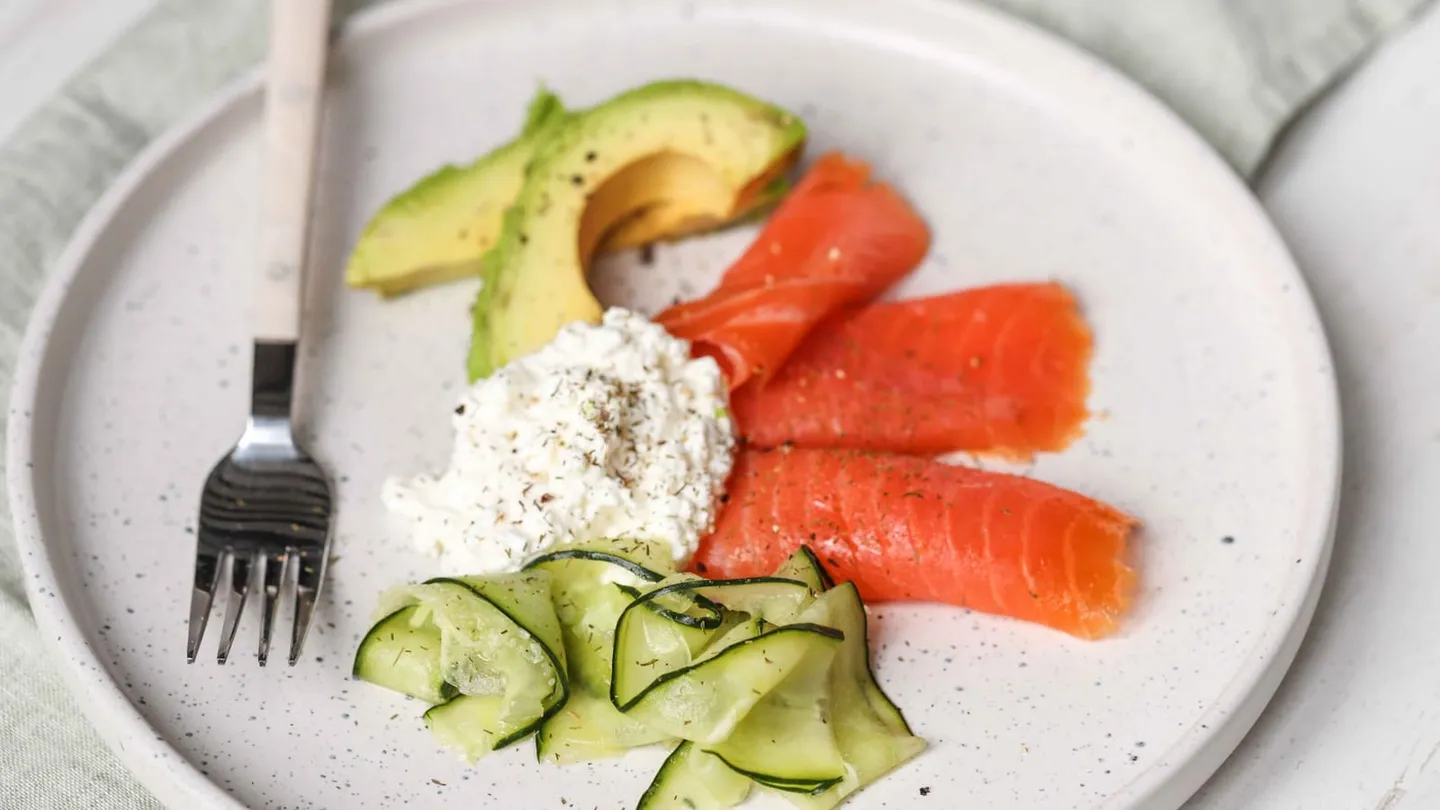
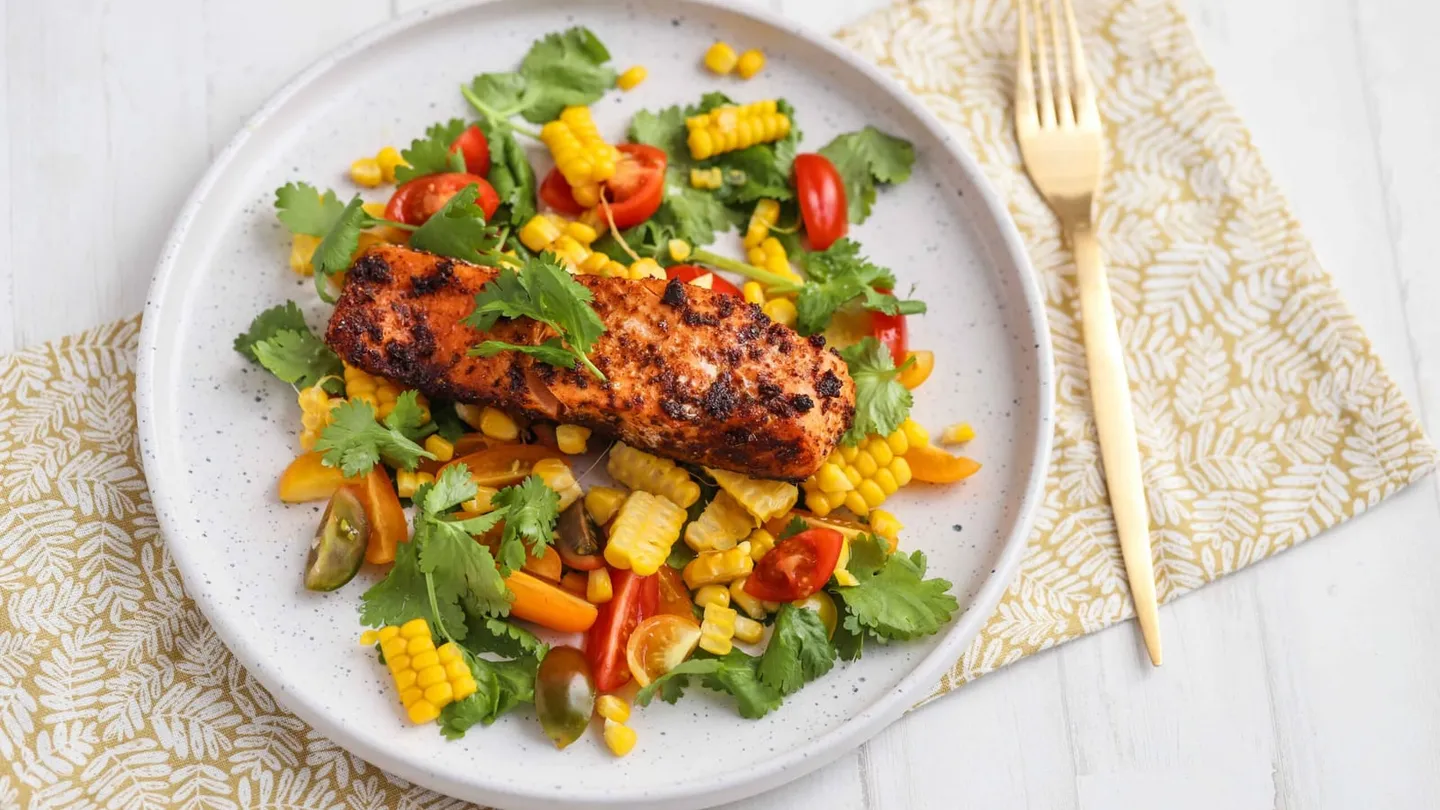
A 10-hour window might look like this. Breakfast at 9am, with eggs, yoghurt and fruit. Lunch at 1pm, with chicken, rice and vegetables. A snack at 4pm with a protein shake or cottage cheese. Dinner at 7pm, with fish or lean mince, potatoes and plenty of veg. Each meal has a good hit of protein, which is what matters for your muscle.
The bottom line
Intermittent fasting isn’t magic and it isn’t dangerous for most healthy people. It’s one way of eating less, and it only works if you can stick with it. After 40, I’d put protein, strength training and sleep ahead of the eating window every time. Get those right first, and fasting becomes optional.
If you’re not sure what the right way to eat looks like for you, get in touch for a free consultation. I work with clients at UNTIL in Soho and Marylebone, and online.
Neil McGuigan, NMG Fitness