Sleep, Stress and Alcohol After 40: The Three Things Undoing Your Training
It's a pattern I've seen again and again in 18 years of coaching. Someone turns up three times a week, tracks their food, ticks every box, and still feels flat. When we look at the rest of their week, the answer is almost always the same three things.
In this article
If you’re over 40, training hard and eating well, but your body isn’t changing, the problem might not be in the gym at all. It’s usually in the hours outside it.
It’s a pattern I’ve seen again and again in 18 years of coaching. Someone turns up three times a week, tracks their food, ticks every box, and still feels flat. The weight doesn’t move, the lifts stall, and they start to wonder what they’re doing wrong. When we look at the rest of their week, the answer is almost always the same three things: they’re not sleeping enough, they’re under constant pressure, and they’re relying on a few drinks to switch off.
None of these looks dramatic on its own. Together, they can undo a lot of good work.
Why it matters more after 40
Recovery slows as we get older, and our hormones start to change. For women, the run-up to menopause can bring night sweats and broken sleep. For men, testosterone gradually falls. At the same time, life is usually at its busiest, with work, family and everything else landing at once. So there’s less recovery and more stress, and that’s why the basics matter more now than they did at 25.
Sleep: where the work gets done
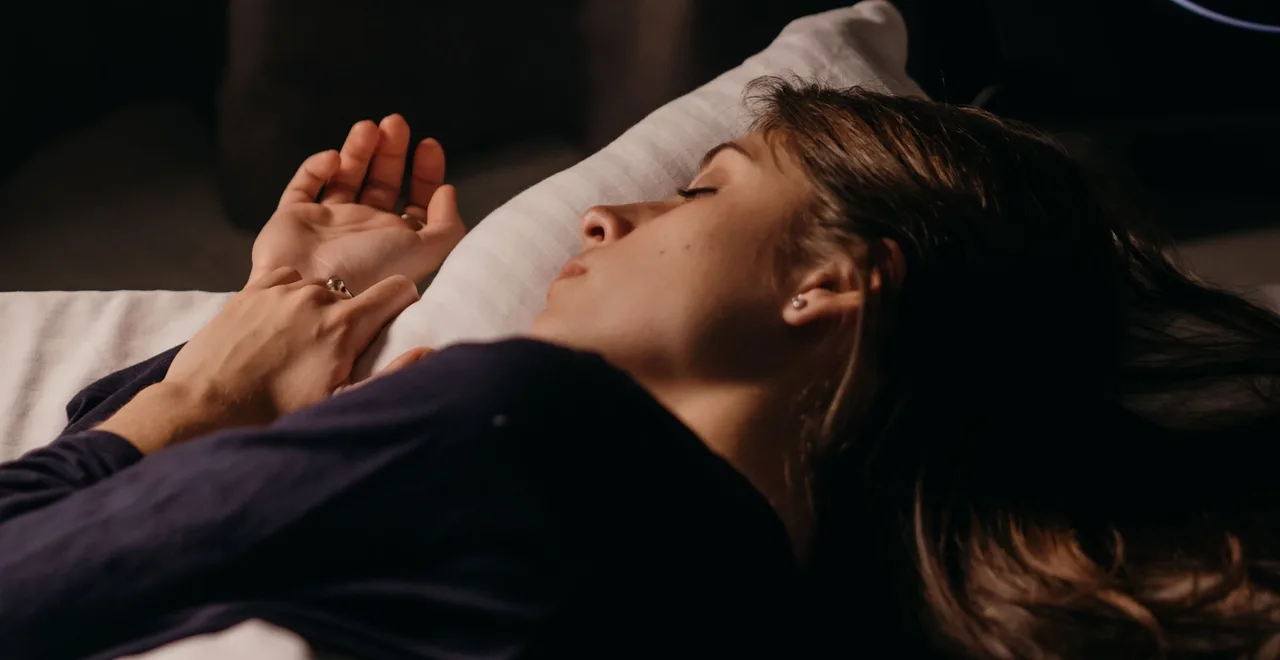
You don’t get stronger in the gym. You get stronger afterwards, while your body repairs, and a lot of that repair happens while you sleep, particularly in deep sleep. When you cut it short, a few things happen. You recover less. Your appetite goes up, and so do your cravings for quick energy like sugar. And you have less willpower for the things you were going to do, like getting to the gym or cooking a proper meal.
Most adults do best on around 7 to 9 hours. If you’re regularly getting five or six, I’d fix that before changing anything else in your programme.
The classic sign is waking at 3am with your mind racing. That can come from stress, alcohol or hormonal changes, and sometimes all three. If night sweats are waking you up, mention it to your GP, because there’s help available.
Stress: the handbrake you can’t see
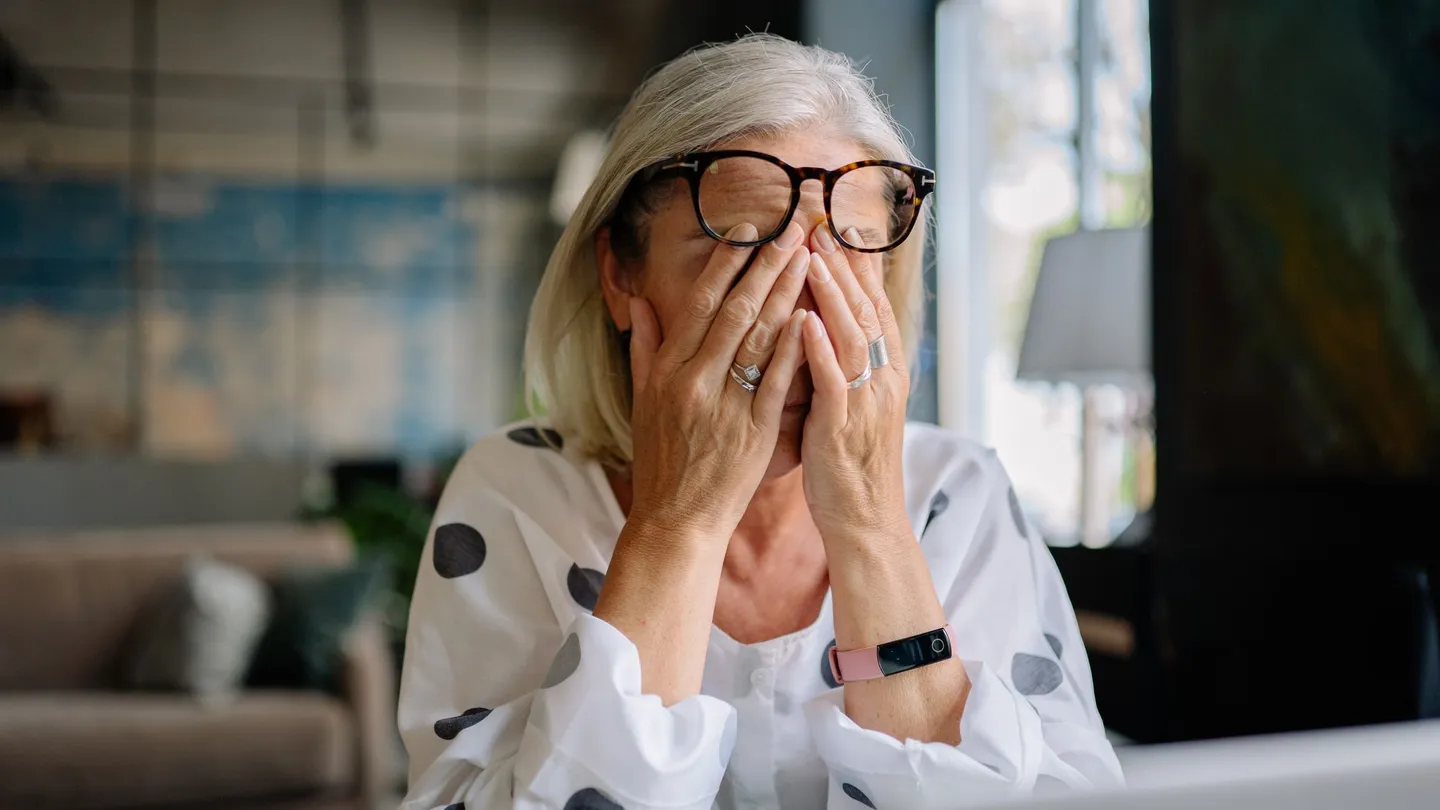
A bit of stress is normal and even useful. The problem is when it never switches off. Your body stays on high alert, which makes sleep lighter, appetite harder to manage, and recovery slower. Over time, long-term stress is also linked to carrying more fat around the middle.
Here’s the trap I see a lot. When people feel stressed and stuck, they train harder. More sessions, more cardio, more intensity. But your body treats hard training as another stress, so if you’re already run down, doing more can make things worse. Two or three good strength sessions a week, plus plenty of walking, will often beat five tiring ones.
What helps is simpler than people expect. A walk outdoors, ideally in the morning light. Five minutes of slow breathing, in for four and out for six. A proper break in the working day. And a bedtime that’s protected the way a meeting would be.
Alcohol: the one nobody wants to talk about
I’m not here to lecture anyone. But alcohol is the one that surprises people most.
A drink in the evening can help you feel relaxed and fall asleep faster. The catch is that it tends to make your sleep lighter and more broken later in the night, so you wake up feeling rough even after a full night in bed. It adds calories too. A large glass of wine is around 200, and it’s easy to have more than one. It can make you hungrier the next day, and it slows recovery from training. The UK guideline for lower-risk drinking is no more than 14 units a week, spread over several days. Most of my clients who are serious about their results do better well under that.
How to tell if this is you
If three or more of these sound familiar, this is probably worth a look:
- You wake up tired even after a full night in bed.
- You rely on coffee to get going and again to get through the afternoon.
- You feel wired and tired at the same time in the evening.
- Your lifts have stalled and training feels harder than it should.
- You crave sugar or snacks late in the day.
- A few drinks have become a normal part of your evenings.
A two-week reset
Don’t change everything at once. Try this.
In week one, focus on sleep. Pick a wake-up time and stick to it, even at weekends. Stop caffeine by lunchtime. Keep your bedroom cool and dark, and put your phone away for the last half hour before bed.
In week two, keep all of that and add the rest. Have at least three alcohol-free evenings, and don’t drink close to bedtime. Take a 10-minute walk outside every day, and do your slow breathing before bed.
Then notice how you feel. Most people see better energy, better sleep and better training before they see any change on the scales.
Keep training
None of this means doing less in the gym. Strength training is one of the best things you can do for your sleep, mood and stress. Two or three proper sessions a week is plenty. The point is to give your body what it needs to respond to them.
Want help with this?
If you’d like a plan built around your week, your training and your goals, I’d be happy to help. Book a free session with me at UNTIL Soho or Marylebone, or online, and we’ll work out where to start.
Frequently asked questions
How much sleep do you need after 40?
Most adults do best on around 7 to 9 hours. Neil McGuigan's advice is that if you are regularly getting five or six, fix that before changing anything else in your programme. Regularly getting less than you need makes you hungrier, more stressed and slower to recover from training.
Does alcohol affect your training results after 40?
A drink in the evening can help you feel relaxed and fall asleep faster, but it tends to make sleep lighter and more broken later in the night. It also adds calories, around 200 in a large glass of wine, can make you hungrier the next day and slows recovery from training.
Should you train harder when you feel stressed and stuck?
No. Your body treats hard training as another stress, so if you are already run down, doing more can make things worse. Neil McGuigan suggests two or three good strength sessions a week plus plenty of walking, which will often beat five tiring ones.
What is a two-week reset for sleep, stress and alcohol?
In week one, focus on sleep: a fixed wake-up time including weekends, no caffeine after lunchtime, a cool dark bedroom and no phone for the last half hour. In week two, add at least three alcohol-free evenings, a 10-minute walk outside daily and slow breathing before bed.