Christmas After 40: How to Enjoy It Without Undoing Your Progress
Every year I see the same thing. People train hard right up to the start of December, then the parties start, the routine goes and the gym becomes something they'll get back to in January. You can enjoy all of it and still feel good when the new year starts.

In this article
Every year I see the same thing. People train hard right up to the start of December. Then the parties start, the routine goes and the gym becomes something they’ll get back to in January.
Then January arrives and they feel flat, sluggish and a bit low, and they spend the month digging themselves out. After 18 years as a personal trainer, I’d like to help you avoid that. You can enjoy all of it and still feel good when the new year starts.
Why Christmas can hit harder after 40
It’s rarely one big meal. It’s four small things that pile up through December: the routine disappears, drinks and late nights add up, “all or nothing” thinking takes over, and January arrives flat.
Muscle also slips away faster when you stop training, and it can take longer to get back after 40. Late nights and drinking can take more out of you than they used to. None of that means you shouldn’t enjoy Christmas. It means a few small habits are worth keeping.
Keep a minimum, not a perfect routine
You don’t need your normal five sessions. Aim for two short strength sessions a week, 20 to 30 minutes each, and a 20 to 30 minute walk most days.
If you’re short on time, try this 15 minute workout with no kit. Do three rounds of five moves: squats, press-ups (hands on a worktop to make it easier), reverse lunges, glute bridges and a plank. Work for 40 seconds on each, rest 20 seconds between moves and a minute between rounds. Go at your own pace and stop if anything hurts.
In a really busy week, 10 minutes is better than nothing. The aim is to keep the habit alive. If you want the longer version of how I build a week, read my guide to strength training after 40.
Eat protein first
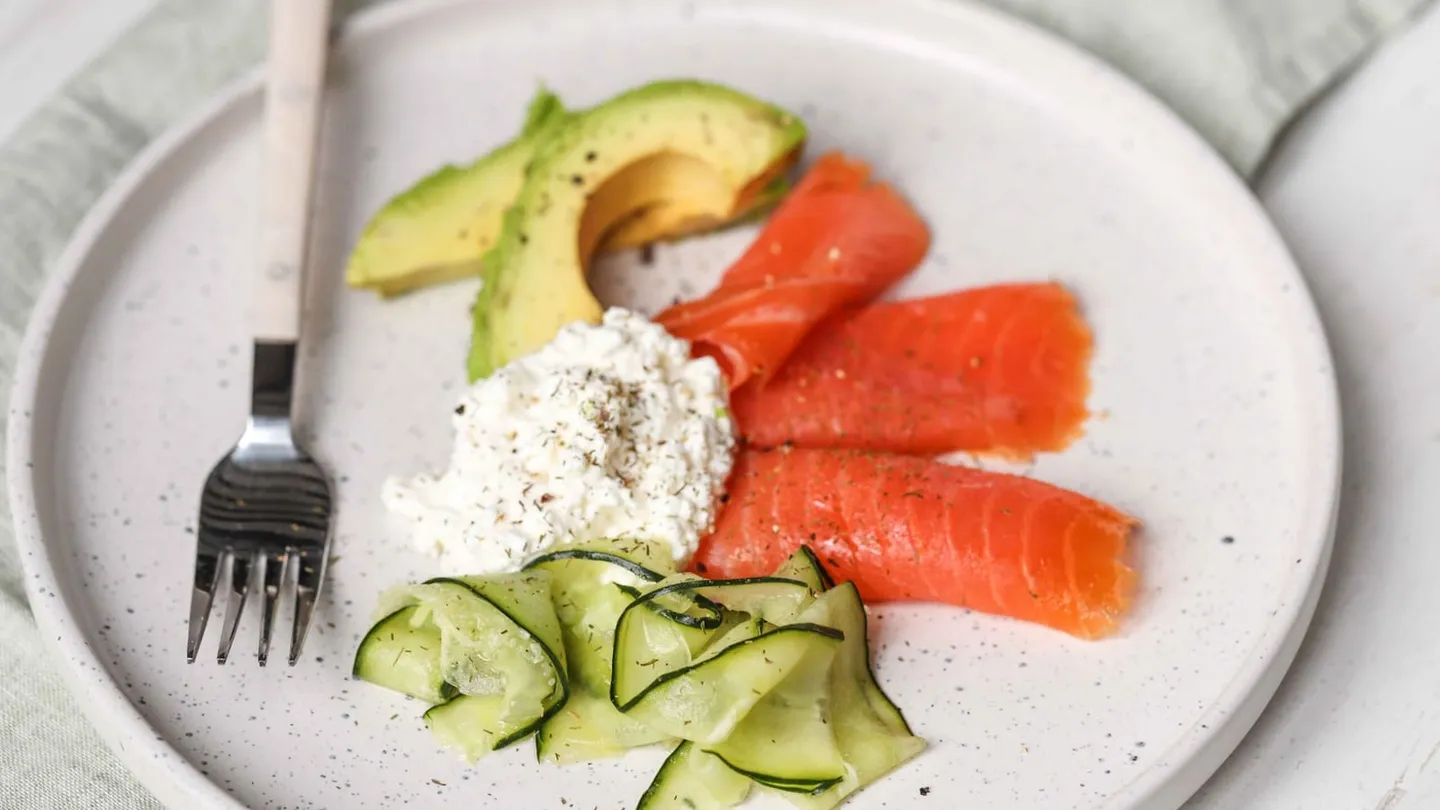
Start the day with eggs or Greek yoghurt. Before a party, have a protein snack so you aren’t starving when the food arrives.
At a big meal, build your plate in order: a palm-sized portion of protein (turkey, ham, salmon or beef) first, then plenty of veg, then the treats you really love. Protein keeps you fuller and your energy steadier, and it helps you hold on to muscle. My guide to protein intake after 40 has the numbers.
Don’t skip meals to save up
Skipping breakfast and lunch before a big dinner tends to backfire. You arrive very hungry, eat fast and eat more.
Have normal meals through the day and enjoy the dinner.
Plan your drinks, don’t ban them
The UK guidance is no more than 14 units a week, spread over three or more days. A few Christmas parties can use that up quickly.
As a rough guide, a pint of 4% lager is about 2.3 units, a large 250ml glass of wine is about 3 units, a small 125ml glass of fizz is about 1.5 and a single 25ml spirit is 1.
Here’s what helps:
- Start with a big glass of water.
- Alternate every alcoholic drink with a glass of water or a soft drink.
- Choose one or two drinks you really love and enjoy them.
- Watch the sugary mixers. Vodka, soda and lime has far fewer calories than a creamy cocktail.
- Set a cut-off time for when you’ll switch to water.
- Keep a few alcohol-free days in your week, especially the day after a big night.
Alcohol also affects the quality of your sleep, which is why you can feel flat or anxious the day after.
Protect your sleep
Late nights are part of December. For every big night, try to bank an early one.
Two or three nights a week where you’re in bed by 10.30pm, with no screens and no alcohol, makes a real difference to how you feel. Keep your wake-up time fairly steady, and cut the caffeine after about 2pm if you’re struggling to sleep.
The morning after
Drink water first, then have a coffee. Eat a protein breakfast such as eggs or Greek yoghurt, get outside for a walk and eat normal meals through the day.
Don’t skip meals to make up for it, and don’t punish yourself with a huge workout.
Look after your mood
Plenty of people tell me they feel flat or restless after Christmas. The routine disappears, the days are dark and the build-up is over.
Get outside in daylight, keep moving, see the people you enjoy and don’t pack every single day. If the low feeling is heavy or doesn’t lift, speak to your GP.
Restart gently on 2 January
Don’t start a crash diet or punish yourself with a huge workout. In your first week, walk every day, do two strength sessions, eat protein at each meal and get to bed on time.
Then pick one clear goal for the next 8 to 12 weeks. If staying consistent is the part you find hardest, I’ve written about how to stay motivated to exercise after 40.
I’ve put together a free guide with drink swaps, a party-night plan, a minimum workout and a seven-day January restart. You can download it below.
If you’d like help staying on track over Christmas and into the new year, book a free first session with me at UNTIL Soho or Marylebone.
Frequently asked questions
How do you stay in shape over Christmas after 40?
Neil McGuigan keeps three habits going through December: protein at every meal, a walk of 20 to 30 minutes most days, and two short strength sessions a week of 20 to 30 minutes each. You do not need your normal five sessions. The aim is to keep the habit alive rather than train perfectly.
Should I skip meals before a big Christmas dinner?
No. Skipping breakfast and lunch before a big dinner tends to backfire. You arrive very hungry, eat fast and eat more. Neil McGuigan's advice is to have normal meals through the day and then enjoy the dinner.
How many units of alcohol are in a Christmas drink?
As a rough guide, a pint of 4% lager is about 2.3 units, a large 250ml glass of wine is about 3 units, a small 125ml glass of fizz is about 1.5 and a single 25ml spirit is 1. UK guidance is no more than 14 units a week, spread over three or more days, and a few Christmas parties can use that up quickly.
When should I restart training after Christmas?
Neil McGuigan suggests a gentle restart on 2 January rather than waiting, and no crash diet or punishing workout. In the first week, walk every day, do two strength sessions, eat protein at each meal and get to bed on time. Then pick one clear goal for the next 8 to 12 weeks.